

Why Conflicts Are Increasing in 2026 and How Peace Can Be Restored
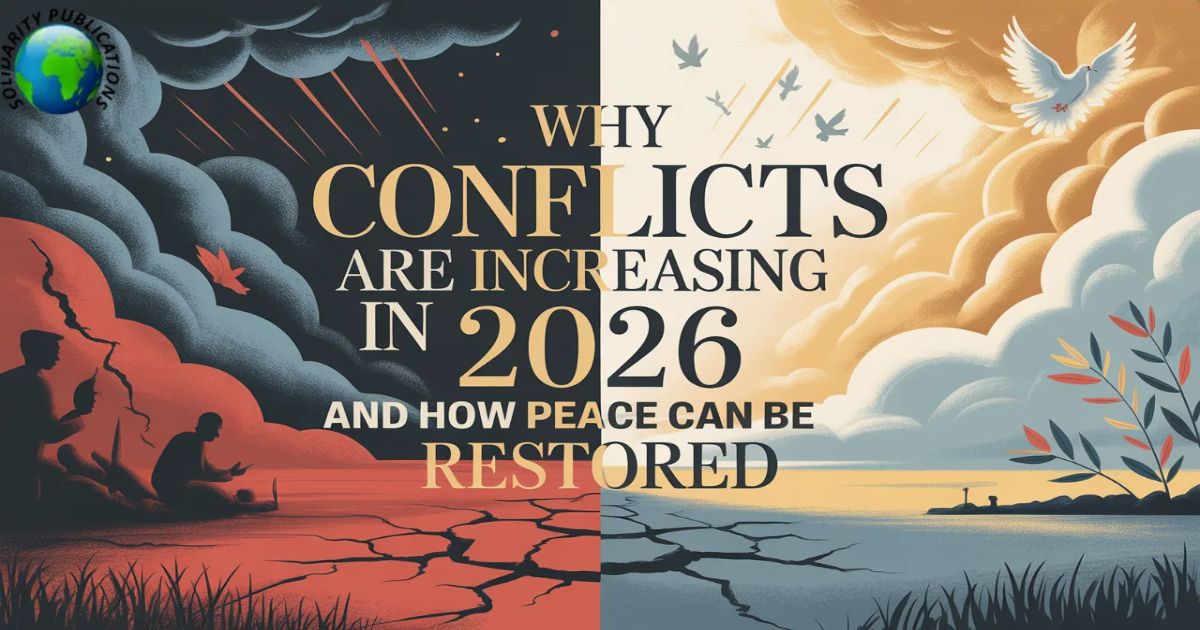
Global tensions feel sharper in 2026 as many regions face fast-changing crises and uncertainty. The world is witnessing Why Conflicts Are Increasing in 2026 due to shifting power, weak cooperation, and rising distrust between nations. These trends create serious global instability, affecting both rich and developing countries.
People in the USA are also feeling the impact through prices, security concerns, and foreign policy debates. In this situation, understanding a Real path to peace becomes more important than ever. Experts link these changes to geopolitical tensions and growing competition over resources. At the same time, fragile diplomacy and broken agreements are increasing risks of wider conflicts across the world today.
Why Conflicts Are Increasing in 2026
Conflicts are rising due to complex root causes of conflict. Nations now act based on transactional politics and short-term gains. This shift weakens trust. It also increases international law violation and aggressive actions across borders.
Another key factor is political power struggles between major countries. These struggles fuel geopolitical tensions and lead to more military intervention. As a result, we see more conflict-related deaths and less focus on long-term peace.
A World Shaped by War: The Reality in 2026
Daily life in many regions now reflects war conditions. Many people live in war-torn countries with limited safety. The war impact on civilians is severe. Families lose homes, education, and healthcare systems collapse.
This harsh reality connects to state violence and repression and growing human rights violations. At the same time, shrinking civic space limits public voice. These trends make peace harder and deepen peace and justice challenges.
Major Conflicts to Watch Around the World
Several regions show rising tension. Ukraine, the Middle East, and parts of Asia face constant risk. These conflicts increase global instability and threaten economic balance worldwide.
Below is a simple overview:
| Region | Key Issue | Global Impact |
| Europe | Ongoing war tensions | Energy crisis |
| Middle East | Regional conflict | Oil prices rise |
| Asia-Pacific | Strategic rivalry | Trade disruption |
These areas highlight global security risks and ongoing foreign policy strategy shifts.
Main Causes Behind Rising Global Conflicts
The main drivers include social inequality and conflict and competition over power. Nations often ignore long-term peace. Instead, they focus on influence and control.
Another major cause is resource competition conflicts. Countries compete for oil, gas, and minerals. This connects to critical minerals geopolitics and creates more tension. It also feeds the global war economy.
The Role of Politics and Global Power Struggles
Modern conflicts are shaped by imperialism in modern world thinking. Powerful countries try to expand influence. This creates imbalance and fuels resentment.
At the same time, the rise of far-right politics changes national priorities. Governments shift toward strict policies. This weakens cooperation and deepens the multilateral system crisis across global institutions.
Economic Crisis and Resource Competition
Economic pressure increases conflict risk. Rising costs and weak economies push nations toward aggressive policies. This leads to defense spending increase and rapid arms industry growth.
Climate also plays a role. Climate change and conflict create stress on resources. This causes environmental stress and war in vulnerable regions. Poor economies struggle more, increasing instability.
How Technology and Media Are Fueling Conflicts
Modern wars use advanced tools. Emerging military technologies change how battles are fought. The use of AI in warfare and cyber systems increases speed and damage.
Drones are also widely used. The drone warfare impact affects civilians heavily. At the same time, surveillance and human rights concerns grow. The media spreads misinformation, which increases fear and division.
The Human Cost of War on Everyday Lives
War affects people more than politics. Families lose stability and safety. The war impact on civilians includes trauma, poverty, and displacement.
Another issue is gender inequality in conflict. Women and children suffer the most. However, feminist peacebuilding efforts try to support affected communities. These efforts show the human side of peace work.
Opportunities for Conflict Prevention and Peacebuilding
Despite challenges, solutions exist. Conflict prevention strategies focus on early action. Strong diplomacy reduces risk. This includes diplomacy and peace negotiations between nations.
Local action also matters. Grassroots peace efforts and civil society resistance play a key role. These actions support local peace initiatives and create real change from the ground level.
A Realistic Path to Peace in 2026 and Beyond
Peace requires long-term thinking. Governments must support peacebuilding efforts and improve crisis response systems. Strong leadership and cooperation are essential.
The role of the United Nations remains important. However, it faces limits due to politics. Still, global solidarity movements and better conflict de-escalation strategies can guide the future toward stability.
Conclusion
The world faces serious challenges in 2026. Conflicts are rising due to complex systems and choices. From global conflict 2026 to local struggles, the risks are clear.
However, peace is still possible. With smart decisions, cooperation, and awareness, we can reduce conflict. The future depends on actions taken today. Choosing a Real path to peace can help build a safer world for everyone.
FAQ
Q: How can we strive for world peace in 2026?
A: World peace in 2026 can be supported through diplomacy, education, and reducing inequality. Cooperation between nations and conflict prevention strategies are key.
Q: Is there a chance of a world war in 2026?
A: There is always a risk of major conflict due to global tensions, but diplomacy and international efforts still work to prevent world war.
Q: What will be going to happen in 2026?
A: 2026 may bring continued political tensions, economic changes, and regional conflicts, along with efforts for peace and stability.
Q: Why are we at war in 2026?
A: Wars continue due to power struggles, resource competition, political instability, and unresolved historical conflicts.
Q: Where is the safest place to be if WW3 starts?
A: There is no guaranteed “safe place,” but politically stable, neutral countries with strong infrastructure are generally considered lower risk.
Leave a Reply