

The Hidden Truth: How Oil and Resources Are Fueling Global Wars in 2026
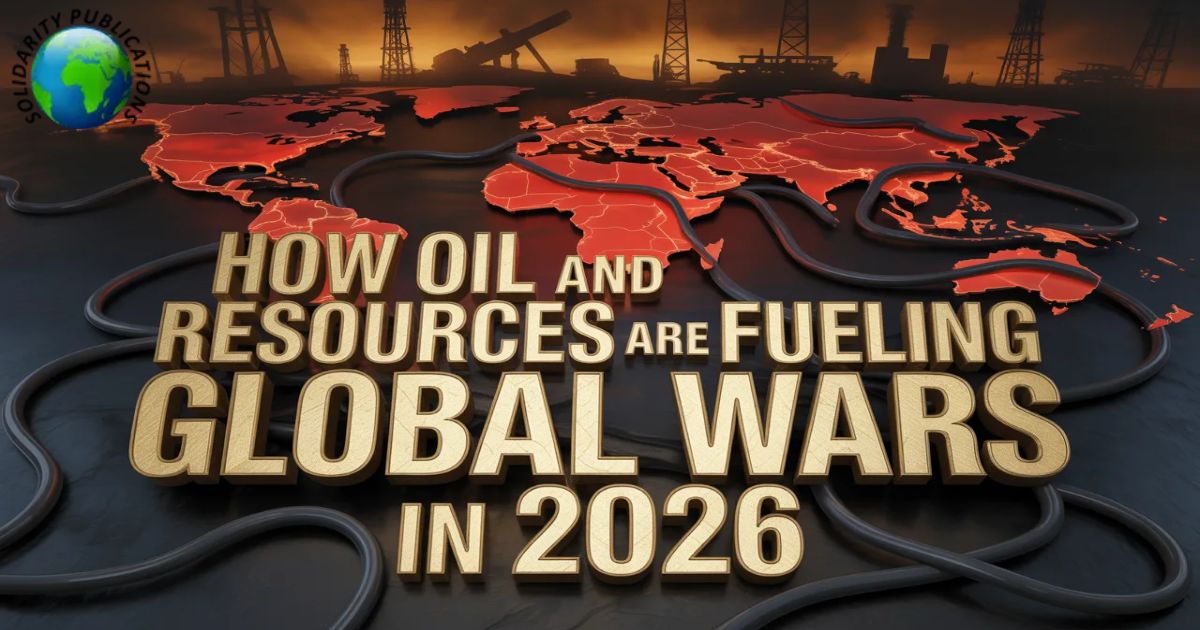
In 2026, the world feels more unstable as energy struggles shape global decisions.The Hidden Truth: How Oil and Resources Are Fueling Global Wars in 2026 reveals how deeply oil controls politics and power. Nations compete for energy security while markets face constant shocks. This growing tension increases global energy markets pressure and drives sudden price changes across regions.
At the same time, experts warn about rising geopolitical energy crisis risks that affect both rich and developing nations. You also see rising oil price volatility and shifting alliances. In this reality, the idea of energy security crisis is no longer theory but a daily global concern affecting economies and people everywhere in the world today.
Why Oil Still Controls Global Politics and Military Decisions
Oil remains the backbone of modern power. Countries build foreign policy around energy security. Military planning often follows oil routes and supply zones. This creates long-term energy geopolitics 2026 where decisions depend on fuel access.
History shows this pattern clearly. The 1973 oil crisis comparison still shapes today’s strategies. Nations learned that oil shortages can collapse economies. That is why global leaders closely watch Gulf oil exports and supply stability.
How Energy Crises Are Triggering New Global Conflicts
Energy shocks now act like political triggers. When supply drops, tension rises fast. The global inflation crisis spreads quickly through food, transport, and manufacturing. This leads to rising pressure on governments and citizens.
Recent events show clear patterns of oil supply disruption and oil price volatility. Even small conflicts now create global reactions. Analysts warn that repeated shocks increase global economic slowdown risks across multiple regions.
Economic Impact of the 2026 Iran War on Global Markets
The U.S.-Israel-Iran war 2026 has shaken financial systems worldwide. Oil prices surged sharply, creating an oil price surge 2026 that hit consumers first. Stock markets reacted with heavy losses and uncertainty.
A key concern is rising stagflation economic crisis risks. Inflation grows while economic growth slows. This combination creates pressure on households, businesses, and governments.
Market Impact Table
| Sector | Impact |
| Energy Markets | High instability |
| Shipping | Rising costs |
| Food Prices | Inflation increase |
| Stocks | Volatility spikes |
The war impact on energy markets continues to expand beyond oil into all global industries.
How Oil Prices, Shipping Routes, and Straits Fuel Global Tensions
Global trade depends on narrow sea routes. The Strait of Hormuz closure creates immediate global fear. Around 20% of oil trade passes through this route. Any disruption creates a maritime trade routes crisis.
Shipping companies face rising costs due to war risk insurance premiums. At the same time, alternative pipelines like Abu Dhabi Crude Oil Pipeline (ADCOP) and East-West Crude Pipeline Saudi Arabia cannot fully replace lost capacity.
The Role of U.S. Military Bases Around the World in Rising Tensions
Military presence shapes global energy security. U.S. Military Bases Around the World often sit near strategic oil routes. This increases regional tension and adds to maritime choke point risk.
During the Hormuz naval blockade, military activity increased sharply. The goal is to protect trade flow, but it also raises geopolitical pressure. Experts link this to rising energy geopolitics 2026 instability.
How Resource Competition Between Nations Is Escalating Wars
Countries now compete for oil, gas, and minerals. This competition creates long-term conflict risk. The global oil demand imbalance worsens pressure on supply systems.
China also plays a major role through China oil stockpile strategy. Meanwhile, Russia benefits from Russia’s oil export advantage during global disruption. These shifts increase global rivalry and instability.
War Profits, Fossil Fuel Subsidies, and the Hidden Oil Economy
War creates winners and losers. Energy companies often gain from price spikes. The global oil demand imbalance pushes profits higher even during crises.
At the same time, governments use strategic petroleum reserve release to stabilize markets. However, these are short-term fixes. Long-term energy security crisis remains unresolved.
Civil Unrest, Protests, and the Human Cost of Energy Wars
Energy crises affect daily life first. Rising fuel prices trigger protests in many countries. The global inflation crisis increases pressure on families and workers.
Supply chain disruptions cause inflationary supply chain shock effects. Food, transport, and electricity become more expensive. This leads to rising frustration and political tension.
A Realistic Path to Peace in a Resource-Driven World
Peace requires breaking oil dependency. Clean energy reduces global tension. Experts from the International Energy Agency (IEA) report support emergency oil market intervention only as short-term relief. A Real path to peace begins when nations shift focus from conflict-driven energy politics to cooperation and sustainability.
Long-term stability needs cooperation. Countries must reduce oil price volatility through diversification. The future depends on lowering global oil demand imbalance and shifting toward renewable systems.
🌍 Final Thought
The world is entering a new energy era. Oil still drives power, conflict, and economics. But change is possible if nations choose cooperation over competition.
A stable future depends on reducing dependency, improving diplomacy, and building smarter energy systems that lower global risk.
FAQ’S
1- What happens if the Strait of Hormuz closes?
Global oil supply drops sharply and prices spike because about 20% of world oil trade passes through it. This can trigger an energy crisis and global inflation shock.
2- How does war affect oil prices?
War creates fear of supply disruption, so traders push oil prices higher. This leads to oil price volatility and sudden market spikes.
3- Why are oil prices rising in 2026?
Oil prices rise due to war tensions, shipping disruptions, and reduced supply from major producers. This creates a strong global energy shock 2026 effect.
4- Global impact of Iran war on oil?
The Iran war disrupts Gulf exports, raises shipping risks, and reduces global supply. This causes global inflation pressure and energy market instability.
5- Energy crisis and inflation connection?
When oil and fuel prices rise, transport, food, and production costs increase. This directly fuels the global inflation crisis across all economies.
Leave a Reply