

Can the Iran War Trigger a Wider Middle East Conflict in 2026?
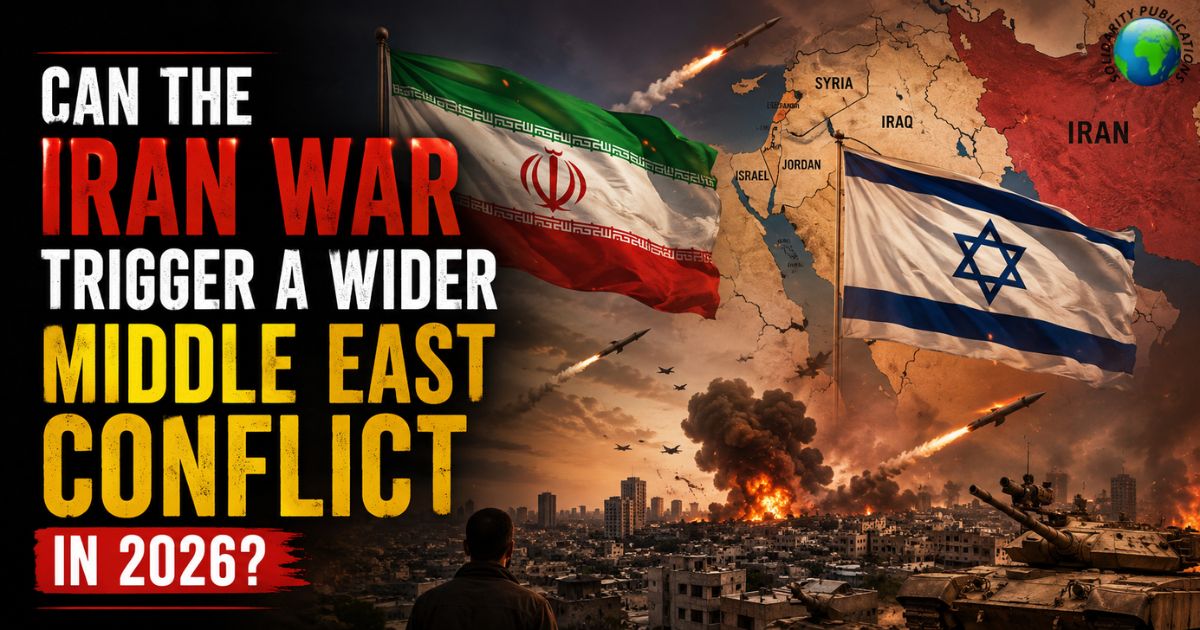
What happens if the Iran War 2026 grows beyond its current borders? That question now matters across the Middle East and far beyond it. The conflict has already affected shipping, energy markets, regional security, and diplomatic efforts. The longer it continues, the harder it may become to contain.
For readers in the United States, this crisis isn’t happening in a distant vacuum. Disruption around the Strait of Hormuz can affect oil prices, shipping costs, and economic pressure at home. The bigger question is whether the Iran conflict can become a wider Middle East war or whether diplomacy can still prevent that outcome.
What Is Happening in the Iran War in 2026?
The Iran War 2026 has reached a difficult stage after months of fighting. The United States and Iran remain locked in a dangerous standoff. Military action has failed to produce a lasting settlement. At the same time, the conflict continues to put pressure on shipping and regional security. Meanwhile, the Strait of Hormuz remains a major flashpoint.
At the same time, regional governments are searching for an exit. Qatar, Oman, and Pakistan have taken part in efforts to revive negotiations. Their goal is to reduce regional tensions and create conditions for renewed peace talks.
Why the Iran Conflict Has Become a Regional Threat
The Iran conflict can affect many countries even when their forces aren’t directly fighting. Missile attacks, shipping risks, and military deployments can quickly create new pressure. This makes regional conflict harder to contain and raises concerns about wider military escalation.
How the War Is Affecting the Middle East
Across the Middle East, the war has created security and economic pressure. Shipping has fallen sharply through the Strait of Hormuz, while energy markets face continued uncertainty. The conflict has also exposed weaknesses among regional allies and increased concerns about regional stability.
Why Could the Iran War Spread Across the Middle East?
A wider war wouldn’t need every country to declare war. It could begin through one attack, a mistaken response, or an expanding cycle of retaliation. That is why the Iran War 2026 carries a wider risk than its main battlefield suggests.
Regional alliances make this problem even harder. Iran has relationships with armed groups and governments across the region. Israel has its own security concerns. The United States also has military forces and allies nearby. One crisis could therefore create several smaller crises.
Rising Tensions Between Iran and Israel
The relationship between Iran and Israel remains one of the biggest sources of regional tensions. Another major exchange could open additional fronts. Each side may see a strong response as necessary. That cycle could quickly increase military escalation.
The Risk of Other Countries Joining the Conflict
Other countries could become involved without formally entering the war. Their territory, airspace, ports, or military bases could become important. Gulf states could also face attacks or pressure. Such events could turn a direct Iran conflict into a broader regional conflict.
How Regional Alliances Could Increase Escalation
Alliances can provide protection, but they can also spread danger. If one partner comes under attack, another may feel pressure to respond. That creates a chain reaction. In a crowded region, stopping that reaction becomes much harder after the first major strike.
Could the Strait of Hormuz Make the Conflict Worse?
The Strait of Hormuz is one of the most important parts of the Iran War 2026. Before the war, more than one-fifth of global oil and gas supplies passed through the waterway. Current traffic has fallen sharply, creating serious problems for shipping and energy markets. For that reason, any prolonged disruption could deepen the global energy crisis.
This matters to Americans too. A prolonged shipping crisis can raise energy costs and increase pressure on businesses. Recent talks between Iran and Oman about a temporary shipping corridor show that practical agreements could also support wider diplomatic efforts.
Why the Strait of Hormuz Matters to Global Energy
The Strait of Hormuz connects the Persian Gulf with global shipping routes. Its narrow waters carry huge amounts of energy. If ships cannot pass safely, buyers worry about shortages. That fear can push oil prices higher even before supplies actually disappear.
How Disruption Could Affect Oil Supplies
A shipping disruption can create a global chain reaction. Higher oil costs can raise transport expenses across the United States. Businesses may face higher operating costs. Consumers can then feel the pressure through gasoline, food, travel, and everyday goods. That makes the Strait of Hormuz an American economic concern too.
Why a Hormuz Crisis Could Increase Global Tensions
A closed waterway creates pressure on several governments at once. Shipping companies want safety. Exporters want access to markets. Importers want reliable supplies. Military forces may then increase patrols. More forces in one area can raise the chance of another dangerous encounter.
What Role Could the United States Play in the Conflict?
For Americans, the role of the US government is central to understanding this crisis. Washington has used military power and economic pressure against Tehran. However, its strategy has shifted as the war continued. Recent reporting shows greater focus on sanctions and reopening the Strait of Hormuz.
The challenge is finding the right balance. Too little pressure may fail to achieve US goals. Too much pressure could create another round of military escalation. That is why American policy will remain important to both the war and possible peace negotiations.
US Military Involvement and Regional Security
The United States has a major military presence in the region and security commitments with several allies. Protecting personnel, allies, and shipping remains important. However, every additional military move can create new risks. Regional security therefore depends on both deterrence and restraint.
How US-Iran Tensions Could Escalate the War
US-Iran tensions can grow through military attacks, sanctions, threats, or disputes over shipping. Iran has rejected recent US economic pressure. Washington has continued using sanctions as part of its pressure on Tehran. This creates a difficult balance between pressure and negotiation.
Another major concern involves nuclear weapons. Iran’s nuclear program has remained at the center of tensions with Washington and its allies. Any uncertainty about nuclear sites, inspections, or future capabilities could make negotiations harder. It could also increase fears of another round of military escalation.
Could US Diplomacy Help Stop the Conflict?
Yes, diplomacy could still provide a way out. Recent mediation efforts show that communication hasn’t completely disappeared. Qatar has been working to revive US-Iran dialogue. Oman has also played a role in talks about the waterway. These efforts could create space for a wider agreement.
Could Iran’s Allies Expand the Middle East Conflict?
Iran’s regional relationships add another layer to the crisis. Armed groups can open new fronts or create pressure on American and Israeli interests. However, their actions don’t always mean that Tehran directly controls every decision. This makes the wider Middle East conflict difficult to predict.
The danger comes from interconnected conflicts. An attack in one country can trigger a response somewhere else. That response may then create another problem. A larger Middle East war could therefore grow through several separate events rather than one planned decision.
The Role of Hezbollah and Other Armed Groups
Hezbollah and other armed groups have long affected regional security. Their involvement can add pressure to an already fragile situation. If fighting expands across several borders, governments may face stronger domestic and security demands. That could make regional stability even harder to protect.
How Regional Powers Could Become Involved
Regional powers can become involved through diplomacy, military support, airspace, intelligence, or economic measures. Some may also try to remain neutral. Their choices matter because regional governments can either reduce pressure or become part of a growing regional conflict.
Why a Wider War Would Be Hard to Control
A wider war can become difficult to control because many actors have different goals. One side may want deterrence. Another may seek revenge. A third may want stronger negotiations. Those competing goals can turn a limited incident into prolonged military escalation.
What Are the Biggest Risks of a Wider Middle East War?
The Iran War 2026 carries risks far beyond the battlefield. A wider Middle East war could affect civilians, energy markets, trade routes, and governments far beyond the immediate conflict zone. The longer the crisis continues, the harder recovery may become.
For the United States, economic effects could also matter. The conflict has contributed to higher energy prices and increased inflation pressure. The crisis also shows how resource wars can connect energy security with wider geopolitical tensions. A prolonged conflict could therefore create costs far beyond the battlefield.
A Larger Humanitarian Crisis
War places civilians under enormous pressure. Damage to homes, hospitals, ports, power systems, and roads can make daily life much harder. Displacement can also rise. A wider regional conflict would increase these risks and make humanitarian relief more difficult.
Rising Oil Prices and Economic Pressure
Higher oil prices can affect much more than gasoline. Transportation, manufacturing, farming, and food distribution all depend on energy. A prolonged Hormuz crisis could therefore add pressure to the global energy crisis and increase costs for American households.
The Risk of a Long-Term Regional Conflict
A long conflict can create deep political wounds. Trust becomes harder to rebuild. Armed groups can gain influence. Economic damage can last for years. Most importantly, each new crisis can make Middle East peace harder to achieve.
Can Diplomacy Prevent a Wider Middle East Conflict?
There is still a diplomatic path, although it won’t be easy. The recent activity involving Qatar, Oman, and Pakistan suggests that regional governments see value in keeping communication open. Their efforts could help reduce regional tensions and create an opening for peace talks.
The key issue is trust. Washington and Tehran have serious disagreements over sanctions, security, and the Strait of Hormuz. Yet diplomacy doesn’t require trust at the start. It can create rules that reduce danger while deeper disagreements remain unresolved.
Why Iran Peace Talks Matter
Peace negotiations matter because military pressure alone may not produce lasting stability. Talks can address security concerns, sanctions, shipping, and future agreements. Even a limited deal could reduce immediate risks. That could create more time for a broader settlement.
The Role of Qatar, Oman, and Other Mediators
Qatar and Oman have important roles because they can communicate with different sides. Recent visits to Tehran show that mediation efforts are active. Pakistan has also remained involved in facilitating communication. These efforts don’t guarantee peace, but they can keep channels open.
Why Dialogue Is Still Important
Dialogue matters because silence leaves more room for mistakes. Governments need channels for warnings, negotiations, and crisis management. Diplomacy may not solve every disagreement. Still, it can prevent a dangerous incident from becoming a much larger war.
What Would a Real Path to Peace Look Like?
A Real Path to Peace would need more than a short pause in fighting. It would require practical steps that reduce the chance of another war. That means lowering military pressure, protecting civilians, and creating reliable communication between regional powers.
The recent Hormuz discussions offer one useful example. Iran and Oman have explored a temporary shipping route and mine-clearing efforts. Such practical cooperation may not solve the whole war. However, it can show how small agreements can support wider Middle East peace.
Reducing Military Escalation
The first step would be reducing military escalation. That could include ceasefires, direct communication, and limits on attacks. Each side would need to avoid actions that create unnecessary risks. Small reductions in tension can create room for bigger negotiations.
Protecting Civilians and Critical Infrastructure
Peace efforts must protect people as well as strategic interests. Hospitals, ports, energy facilities, and shipping routes need special attention. Protecting such sites can reduce humanitarian harm. It can also prevent economic damage from becoming another reason for conflict.
Building Long-Term Regional Cooperation
Lasting peace needs cooperation after the fighting stops. Regional governments could discuss maritime security, energy supplies, borders, and economic ties. These talks could build confidence over time. Stronger cooperation would also make another regional conflict less attractive and less damaging.
Could the Iran War Become a Wider Middle East War?
Yes, the risk exists. However, a wider Middle East war isn’t inevitable. The biggest dangers include renewed attacks, regional alliances, shipping disruptions, and failed negotiations. The conflict could still expand if leaders choose military escalation over restraint.
There are also reasons for cautious hope. Qatar, Oman, and Pakistan continue diplomatic activity. Iran and Oman have discussed practical arrangements for the Strait of Hormuz. These efforts don’t guarantee peace. They do show that negotiation remains possible.
Conclusion
The Iran War 2026 has already changed the security and economic landscape of the Middle East. Its effects reach far beyond Iran. The Strait of Hormuz, energy markets, regional alliances, and US policy all connect the conflict to wider global concerns.
Still, escalation isn’t the only possible future. Diplomacy, mediation, and careful peace negotiations can create an off-ramp. The challenge is turning temporary openings into lasting agreements.
For the United States, the lesson is clear. A wider war could bring higher economic costs and deeper security risks. For the region, the stakes are even higher. A sustainable path forward will require restraint, dialogue, and cooperation before another cycle of violence begins.
A wider Middle East war isn’t inevitable if diplomacy can keep the door to peace open.
Frequently Asked Questions
Q:1 Could the Iran War Trigger a Wider Middle East Conflict in 2026?
Answer: Yes, the risk exists because regional allies, armed groups, and military powers could become involved. However, wider war isn’t inevitable.
Q:2 Why Is the Strait of Hormuz Important in the Iran War?
Answer: The Strait of Hormuz is a major energy route. Disruption can affect global oil supplies, shipping costs, and energy prices.
Q:3 Could the United States Become More Involved in the Iran War?
Answer: Yes, the United States could increase military or diplomatic involvement if American forces, allies, or shipping routes face greater threats.
Q:4 Can Diplomacy Prevent a Wider Middle East War?
Answer: Diplomacy can help reduce tensions and create space for peace talks. Qatar, Oman, and other mediators are already working to keep dialogue open.
Q:5 How Could the Iran War Affect Americans?
Answer: A prolonged conflict could increase oil prices, shipping costs, and inflation. It could also affect US military commitments and global economic stability.
Leave a Reply