

The Future of World Peace: Is a Real Path to Peace Still Possible in 2026?
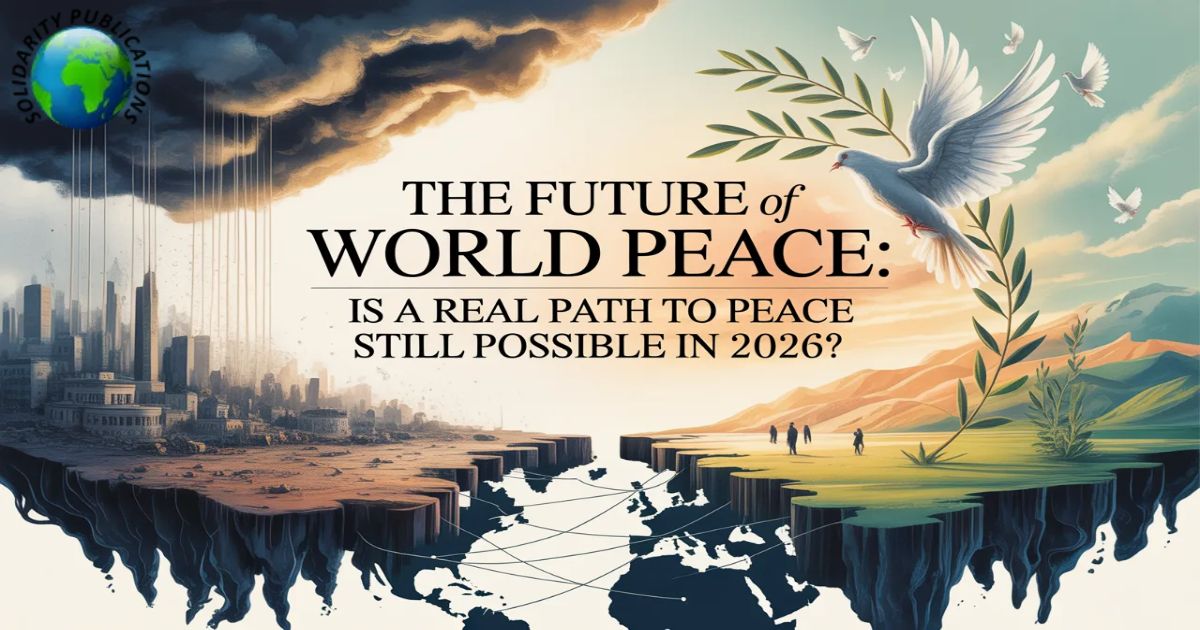
The idea of a real path to peace feels more important in 2026 than ever before. Around the world, people worry about wars, economic pressure, political division, and rising security threats. Reports connected to the Global Peace Index (GPI) show that many regions now face growing instability and deeper uncertainty.
At the same time, governments continue increasing defense budgets while support for diplomacy and peace building efforts remains limited. This imbalance increases fears about a wider world peace crisis and stronger global tensions rising across major powers. Many experts now believe humanity must focus on cooperation, fairness, and dialogue to reduce conflict. Without stronger action, future international conflicts could become even more dangerous.
Why World Peace Feels More Difficult to Achieve in 2026
Global tension now spreads faster than ever before. Regional disputes quickly become international problems because countries are more connected economically and politically. Rising global tensions rising across Europe, Asia, and the Middle East have increased fear among ordinary people. Many nations now focus heavily on military expansion instead of conflict prevention funding and diplomacy.
Another major problem comes from increasing distrust between nations. The World War 2 conflict comparison often appears in modern peace discussions because experts fear another era of dangerous division. Growing military spending growth combined with falling peace investment creates deeper uncertainty. Many analysts describe this situation as a dangerous global conflict prevention crisis.
Rising Global Conflicts and the Fear of a Wider Crisis
Several modern conflicts now involve many outside powers. This trend increases the danger of cross-border wars and larger military escalation. Reports connected to cross-border military involvement show how regional fighting now affects the global economy, migration, and international security.
People also fear the rise of endless wars without solutions. The increase in frozen conflicts and ongoing instability creates long-term fear. Experts warn that the frozen conflict escalation trend may continue for years unless stronger diplomacy emerges.
What Is a Real Path to Peace and Why It Matters Today
A real path to peace means more than simply ending violence temporarily. True peace requires fairness, stability, cooperation, and human dignity. Modern societies now understand that peace and non-violence must include economic justice, equal opportunity, and trust between nations.
The idea of peace with justice has become more important because many wars begin through inequality and political manipulation. The peace with justice framework encourages long-term solutions instead of temporary ceasefires. Many people now support a stronger truth-based peace agenda that focuses on honesty and accountability.
Key Principles Behind a Real Path to Peace
Strong peace systems usually depend on communication and mutual respect. A real path to peace becomes stronger when societies focus on:
- Honest dialogue instead of hatred
- Economic cooperation over conflict
- Education that reduces extremism
- Justice and equal opportunity
- Strong diplomacy before war begins
- Long-term peace building efforts
- Support for peace and non-violence
- Building a more non-violent society
Many experts believe humanity now faces a moral test. The rise of violence and injustice continues because global peace systems remain weak. Supporters of the non-violence movement argue that cooperation creates stronger societies than military dominance.
How Global Conflicts Are Reshaping the Meaning of Peace
Peace no longer means only stopping military battles. Modern conflict also includes cyber attacks, economic sanctions, information warfare, and political pressure. These hidden struggles continue even after official agreements appear successful.
The rise of geopolitical conflicts has changed how people understand security. Countries now fight through trade systems, digital technology, and financial pressure. This creates new forms of instability that traditional diplomacy often struggles to control.
Why Modern Peace Requires More Than Military Ceasefires
Many peace agreements fail because deeper problems remain unresolved. Economic inequality, corruption, and social division continue beneath the surface. This explains the growing peace agreements decline seen in many modern disputes.
Experts also warn about increasing conflict resolution failure across several regions. The declining peace agreement success rate shows that many modern conflicts now continue for decades instead of ending quickly.
The Hidden Role of Resources Energy and Economics in Global Tensions
Resources have always shaped global politics. Oil, gas, water, minerals, and shipping routes now influence international strategy more than ever before. Competition for these resources increases global security concerns and deepens mistrust between nations.
Economic pressure also fuels instability quietly. Rising inflation, sanctions, and trade restrictions increase frustration across societies. Many analysts believe the structural causes of violence often begin with economic inequality and competition over resources.
How Economic Pressure Quietly Drives International Conflict
Modern economies depend heavily on stable supply chains and energy access. When disruptions happen, political tension rises quickly. This pressure often creates humanitarian suffering and deeper humanitarian crisis conditions.
Some critics argue that certain regime change operations and political interventions worsen instability instead of solving it. They warn that wars launched in the name of peace often create long-term damage across entire regions.
Diplomacy vs Military Power: Which One Creates Lasting Stability?
Military power can stop immediate threats. However, long-term stability usually depends on diplomacy and cooperation. Nations that rely only on force often create deeper resentment and future instability.
Many governments now spend enormous amounts on defense while reducing support for diplomacy. The continued rise of peacekeeping spending inequality shows how global priorities remain heavily militarized.
Can Diplomacy Still Work in a Divided World?
Diplomacy still matters because communication prevents misunderstandings from turning into wars. Skilled negotiators can reduce tension before violence spreads further. However, successful diplomacy requires patience and trust.
The growth of decision-maker driven conflicts makes diplomacy harder today. Surveys often show that ordinary people support peace more strongly than political leaders during periods of tension.
How Technology, Artificial Intelligence, and Media Influence Peace
Technology shapes public opinion faster than ever before. Social media platforms spread information instantly across the world. Unfortunately, false information also spreads rapidly during international crises.
Artificial intelligence now influences surveillance, cyber warfare, and military planning. Some experts fear that uncontrolled AI systems could increase future instability and accelerate global war risks.
The Double-Edged Impact of AI on War and Peace
Technology can also support peace when used responsibly. Early warning systems, communication tools, and digital cooperation help reduce misunderstandings between nations. Responsible innovation creates opportunities for stronger global dialogue.
However, online propaganda and cyber manipulation increase fear and division. These developments contribute to the growing global war escalation 2026 concerns discussed by many security analysts.
What History Teaches Us About Building Long-Term Peace
History shows that peace requires constant effort. After major wars, countries often cooperate closely because they understand the true cost of violence. However, that cooperation weakens over time when political interests change.
Past examples also reveal that unstable peace agreements often collapse later. This explains why many modern conflicts follow dangerous long-duration conflict trends that continue for years.
Why Many Peace Agreements Fail Over Time
Many agreements fail because leaders ignore deeper social and economic problems. Without fairness and accountability, anger quietly returns. Long-term peace requires justice alongside security.
Some scholars involved in peace research now criticize short-term political deals that ignore deeper inequality. This growing peace research criticism highlights the need for more honest solutions.
Climate Change Resource Scarcity and the Rise of Future Conflicts
Climate pressure now increases migration, food shortages, and water scarcity worldwide. These problems create stress between countries and local communities. Many experts believe future conflicts may increasingly involve environmental issues.
Rising temperatures and extreme weather also weaken economic stability. Poorer countries often suffer the most because they lack resources to adapt quickly.
How Climate Pressure Could Increase Global Tensions
Competition over water and farmland may become a major future security issue. Climate-driven migration could also increase political pressure in many regions. These trends add to existing instability.
Some analysts fear a possible dystopian global future risk if climate problems combine with economic collapse and military escalation. This fear continues to shape many modern peace discussions.
Can Global Cooperation Still Prevent a Larger Worldwide Crisis?
International cooperation remains one of the strongest tools against global instability. Shared economic systems, diplomacy, and humanitarian coordination reduce the risk of wider conflict. Strong alliances also help stabilize tense regions.
However, cooperation requires trust and transparency. Many modern institutions struggle because countries increasingly prioritize national interests over global stability.
Why International Teamwork Matters More Than Ever
Peace becomes possible when nations focus on common goals instead of competition alone. Cooperation in trade, health, climate, and education builds stronger global relationships over time.
Many activists now call for stronger global peace efforts and greater global mobilization for peace. They argue that humanity faces an urgent choice between cooperation and deeper division.
Is a Real Path to Peace Still Possible in a Divided World?
Despite rising fear and instability, peace remains possible. History proves that societies can rebuild after major conflict when leaders choose cooperation instead of hatred. Strong communication and fairness remain essential for lasting stability.
The world now needs stronger peace advocacy, honest diplomacy, and courageous leadership. Many supporters of ethical peace leadership believe humanity still has time to reduce division and strengthen global trust.
Building a More Peaceful Future Step by Step
Peace begins with small actions as well as major international agreements. Education, dialogue, and community cooperation all help reduce fear and misunderstanding over time.
The future depends on whether the forces of peace vs forces of war can shift toward cooperation. Stronger visible voices for peace and more sincere peace initiatives may help humanity move toward a safer and more stable future.
Conclusion: Choosing a Real Path to Peace
The future of humanity depends on cooperation, fairness, and honest leadership. A real path to peace remains possible if nations choose dialogue over hatred and diplomacy over endless conflict. Stronger global trust, education, and peace advocacy can still help create a safer and more stable world for future generations.
FAQ’S
Q: What is a real path to peace?
A: A real path to peace means creating long-term stability through diplomacy, fairness, cooperation and conflict prevention instead of relying only on military force.
Q: Why does global peace feel harder in 2026?
A: Rising international conflicts, economic instability, cyber threats and political division have increased global tensions and weakened trust between nations.
Q: How does climate change affect global peace?
A: Climate change increases water shortages, food insecurity, migration and resource competition which can create future conflicts and humanitarian crises.
Q: Can diplomacy still prevent major wars?
A: Yes. Strong diplomacy, communication and negotiation can reduce misunderstandings and stop conflicts from escalating into larger wars.
Q: Why is the Global Peace Index important?
A: The Global Peace Index helps measure global stability, conflict levels, militarization, and safety trends across different countries worldwide.
Leave a Reply